The Only Team from India at HSIL Harvard 2026

No T1D Family Ever Walks This Road Alone.

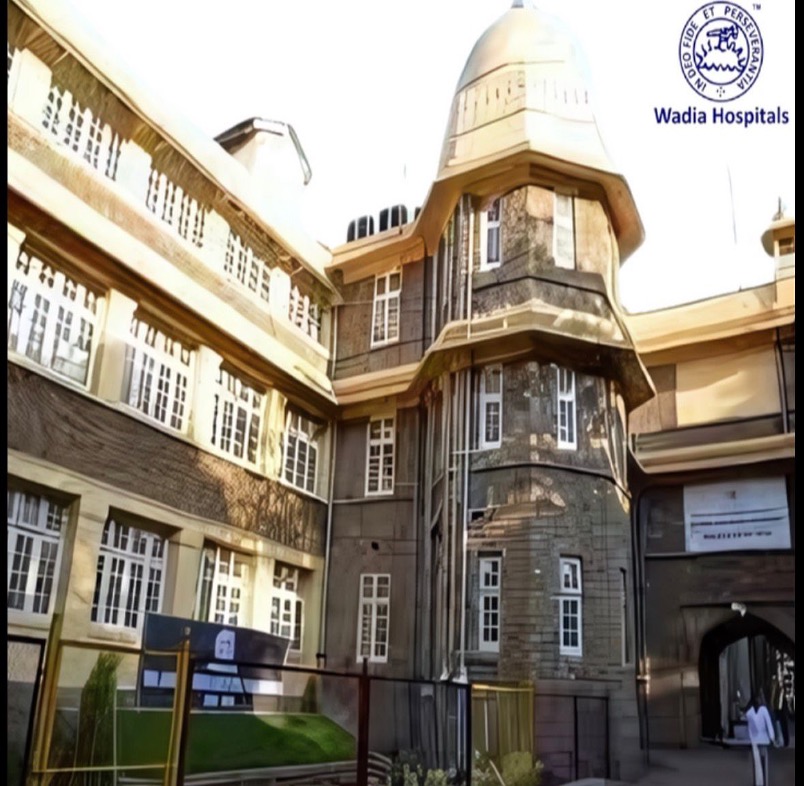
300,788 children in India have Type 1 Diabetes. Most see their doctor once every three months. Sugar Sakhi is the physician in their pocket for the other 89 days. 24Γ—7. AI‑assisted. Built at B.J. Wadia Hospital for Children, Mumbai.

2am. Mealtime. The school cricket field. Sugar Sakhi shows up where the clinic can't.

300,788
Children with T1D in India
IDF Atlas 2024
3 in 4
Have poor clinical follow-up
Wadia Hospital 2025
11.6%
T1D child mortality in first 3 yrs
Diab Res Clin Pract 2024
24Γ—7
Physician-linked companion
Sugar Sakhi
The Problem

A Crisis Hidden in Plain Sight.

300,788 children in India live with Type 1 Diabetes. Most get a diagnosis, a prescription, and an appointment three months later. The 89 days between is where lives are lost.

The global T1D burden

9.5M
People with T1D globally
IDF Atlas 2023
450K+
T1D patients in South Asia LMICs
IDF Atlas 2023
By 2040
Majority of T1D burden will be in LMICs
IDF Atlas 2023

Type 1 Diabetes is a lifelong, insulin-dependent autoimmune condition. Unlike Type 2 Diabetes, it cannot be prevented. It requires daily, precise management, every meal, every dose, every activity. For children in low-resource settings, this is an enormous burden on families with limited access to structured care.

The India reality

Primary users: Children and young persons aged 0–18 years living with T1D. Their caregivers, predominantly mothers, carry the daily management burden.

Secondary stakeholders: Paediatric endocrinologists and diabetologists; nursing and diabetes educators; hospital administrators; public health authorities and the NHM.

300,788
Children with T1D in India
IDF 2024
15,900
New diagnoses every year
IDF 2024
$900
Average annual family cost burden (USD)
Diabetol Int 2022
Why care fails

The 3 Root Causes Sugar Sakhi Directly Addresses

Lack of Healthcare Access

The paediatric endocrinologist-to-patient ratio in India is critically low. Clinic visits happen every 3 months, or less. There is no structured channel for families to communicate urgent concerns, report glucose excursions, or flag missed doses between appointments. Problems that could be caught early go undetected for weeks.

Unstructured Follow-up

3 in 4 children with T1D at B.J. Wadia Hospital had poor clinical follow-up (Wadia 2025). There is no digital framework to track glucose logs, dietary calculations, or insulin adherence between OPD visits. DKA, a life-threatening complication, builds quietly when no one is watching. Between 1–10 DKA readmissions per 100 patient-years are currently recorded at Wadia (2026 emergency records).

Poor Awareness & Education

T1D management education is delivered once, at diagnosis. After that, families rely on printed sheets, informal WhatsApp groups, and a 15-minute consultation every quarter. There is no personalised, language-specific, ongoing education programme tailored to Indian dietary patterns, regional languages, or the psychosocial stress specific to T1D families. 37.5% of T1D children have poor Quality of Life scores (Contemporary Clinical Practice, 2025).

Consequences

Clinical & Economic Consequences

When continuous care is missing, families and the health system pay the price, measured in lives, complications, and rupees.

11.6%
T1D child mortality within first 3 years of diagnosis
Diab Res Clin Pract 2024
13.4%
Develop diabetic nephropathy
JPED 2022
37.5%
Poor Quality of Life in paediatric T1D
Contemp Clin Pract 2025
$900/yr
Average family cost burden in India
Diabetol Int 2022
1–10/100
DKA readmissions per 100 patient-years at Wadia
Emergency records 2026
The white space

Why Has This Not Been Solved?

India has made significant progress on insulin access, through the CDiC programme, RSSDI-Sanofi partnerships, and state-level initiatives in Tamil Nadu, Karnataka, and Gujarat. Education programmes exist (T1DE, Project 1NDIA, ISPAE's IDEAL and BEST courses). Community NGOs provide critical peer support.

But these programmes are fragmented, episodic, and unconnected. No system ensures continuous, real-time, physician-linked care. The digital ecosystem remains the unsolved gap: no widely adopted DKA prediction tool, no AI-driven adherence monitoring, no physician-integrated dashboard designed for low-resource India.

India has programmes for insulin, education, and community, but they are fragmented, episodic, and not connected. No system ensures continuous, real-time, physician-linked care. , Sugar Sakhi Β· the white-space thesis
Understanding T1D

Type 1 Diabetes Is Not About Sugar.

A short, compassionate explainer for newly-diagnosed families, teachers, grandparents, and employers, not a hospital education module.

Type 1 Diabetes (T1D) is an autoimmune condition, not caused by eating too much sugar, and not preventable by diet or lifestyle. In T1D, the body's own immune system attacks the insulin-producing cells in the pancreas. Insulin is the hormone that allows glucose to enter cells for energy. Without it, glucose builds up in the blood, with life-threatening consequences.

T1D can develop at any age, but most diagnoses happen in childhood. A child with T1D will need insulin every single day for the rest of their life. There is currently no cure.

Managing T1D is a full-time job for the whole family. Every meal, every activity, every illness, every growth spurt changes how much insulin a child needs. It requires constant monitoring, constant adjustment, and constant vigilance, 24 hours a day, 7 days a week, 365 days a year.

The reality of daily life

Families managing T1D in India face a specific set of challenges that no global app has been designed around:

  • Insulin must be refrigerated, a challenge in power-cut-prone regions.
  • Carbohydrate counting requires understanding Indian food, roti, rice, dal, mithai, not Western nutrition labels.
  • School days, festivals, illness, growth, puberty, all change insulin requirements unpredictably.
  • Nocturnal hypoglycaemia (dangerously low glucose during sleep) is a constant fear for parents.
  • DKA (Diabetic Ketoacidosis) can develop within hours if insulin is missed or an illness is mismanaged.

T1D burden, Mumbai, Maharashtra, India, and the Subcontinent

300,788
Children with T1D in India
IDF 2024
15,900
New diagnoses per year in India
IDF 2024
450K+
T1D patients across South Asian LMICs
IDF 2023
~1,200
T1D children followed at Wadia, Mumbai
Wadia Endocrinology Div.

B.J. Wadia Hospital for Children in Mumbai is one of the largest paediatric T1D care centres in India and the broader subcontinent. The Division of Paediatric Endocrinology at Wadia has been running India's longest-standing Diabetes Support Group since April 2005, a model for community-based T1D care across South Asia.

πŸ”œ Coming in app

Full T1D Education Library

In-depth guides on insulin types, carbohydrate counting, sick-day rules, recognising DKA, and more, personalised for your child's age, diet, and care plan.

Download Sugar Sakhi to access the full library β†’
From the Clinic

A Lifelong Relationship. Not a Clinic Visit.

Three voices from B.J. Wadia Hospital for Children, Mumbai, the clinicians who see what happens between appointments.

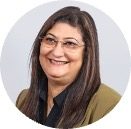
Prof. Dr. Sudha Rao, Medical Director and Head of Paediatric Endocrinology, B.J. Wadia Hospital for Children.
Prof. Dr. Sudha Rao Β· The Expert

Dr Sudha's Notes

Onset of diabetes in childhood, also called juvenile onset diabetes, is a life-changing disease. It needs lifelong insulin therapy and regular monitoring of sugar control. Care of a child with diabetes means holding four things steady at once: the dose of insulin, daily diet, daily exercise, and psychological well-being.

Aiming to optimise all these aspects of care and thus maintaining a balance in sugar control needs commitment, knowledge sharing, and willingness to learn new skills, positive thinking, and team approach to care not only by the physicians but also the parents and guardians.

Alleviating the fears, anxiety, apprehensions on part of the parents and child, teaching them the skills of insulin therapy and home blood sugar monitoring, empowering them to choose the appropriate diet, types of diet, calorie counting, carbohydrate counting, are some of the basic aspects of care to attain good control. Regular monitoring of growth, pubertal development, glycaemic control, other evolving endocrinopathies or end-organ problems like vision, heart and kidneys are required to have a good quality of life in childhood and as adults.

To address these issues in a common platform, the Diabetes Support Group was started by the Division of Paediatric Endocrinology, B.J. Wadia Hospital for Children, Mumbai in April 2005. The first meeting was held on 16 April 2005, patients, parents, doctors, dietician, invited guests. These meetings continue every 4 months: medical lectures on new developments in care, quizzes for parents and children, an award for the best-controlled child, parents' interaction, and new ideas. With the help of the Management of Wadia Hospital, and the charity and social commitment of the doctors of the Division of Paediatric Endocrinology, the Diabetes Support Group is a vibrant community of juvenile diabetics and their parents, finding friends in times of distress, providing easily approachable medical care during crisis, and adjusting to a life-changing disease.

Acquiring knowledge and skills is an everlasting exercise. Sugar Sakhi ensures that exercise never stops, not between appointments, not between support group meetings, not at 2am. , Prof. Dr. Sudha Rao Β· Medical Director & Head of Paediatric Endocrinology, B.J. Wadia Hospital for Children, Mumbai

What I See Every Day at Wadia.

I am a paediatric endocrinology fellow at B.J. Wadia Hospital for Children, Mumbai. Every week, I see children arrive at our OPD in DKA, a preventable crisis, because something went wrong between their last clinic visit and today, and no one caught it in time.

It is not because the families aren't trying. They are trying harder than most people can imagine. Managing Type 1 Diabetes in a child is a full-time job, counting carbohydrates in roti and dal, adjusting insulin for a school sports day, staying awake at 2am to check a glucose reading. These families carry this weight every single day. What they don't have is a system that watches with them.

When a child misses an insulin dose, we don't find out until the next OPD visit, weeks later. When a glucose reading spikes after a festival meal, the family doesn't know whether to call the hospital or wait. When a child starts showing early signs of DKA, nausea, fatigue, increased thirst, the family often mistakes it for a stomach bug, because no one taught them the signs in their language, in a way they could act on.

Sugar Sakhi is what I wish I could give every family when they leave my clinic. A companion that speaks their language, remembers their child's patterns, alerts me when something is wrong, and reassures them at 2am when they're frightened and don't know where to turn. This is not a wellness app. This is clinical care, extended beyond the clinic walls, for the children who need it most.

When a child arrives in DKA, I always ask the same question, when did this start? The answer is always the same: a few days ago. We just didn't know who to call. , Dr Aarushi Singla Β· Paediatric Endocrinology Fellow, B.J. Wadia Hospital for Children, Mumbai
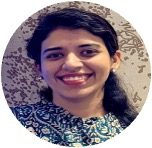
Dr Aarushi Singla, paediatric endocrinology fellow at B.J. Wadia Hospital for Children.
Dr Aarushi Singla Β· The Strategist
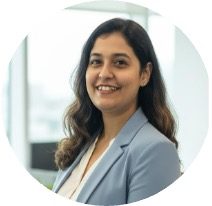
Ms Joanna Pinto with the Wadia Diabetes Support team, a warm counselling setting at Wadia Hospital.
Ms Joanna Pinto Β· The Empath Β· Diabetes Educator & Counsellor

Diabetes Doesn't Just Affect the Body.

I am a diabetes educator and counsellor at B.J. Wadia Hospital for Children. I have spent years sitting with families as they process what a T1D diagnosis means for their child, and for them.

What most people outside the hospital don't see is the emotional weight these families carry. The mother who stops sleeping through the night because she's afraid of nocturnal hypoglycaemia. The father who quietly takes a second job to afford insulin and glucose strips. The teenage child who stops eating lunch at school because she's embarrassed to check her glucose in front of her friends. The younger sibling who learns, very early, not to complain when the family budget is tight.

I see it in every family I counsel. T1D is not just a disease of blood sugar. It is a disease of anxiety, of grief, of isolation. When families leave the hospital after diagnosis, they are given education materials, printed sheets, sometimes a DVD. They nod. They are overwhelmed. And then they go home and face it alone.

The phone calls I receive, at evenings, on weekends, are mostly not about clinical emergencies. They are from mothers who just need someone to tell them they are doing it right. They need to hear that it is okay to feel afraid. They need guidance that is specific to their child, their kitchen, their school day.

Sugar Sakhi was built for exactly this. The psychosocial screening built into the platform means that when a family is struggling, when distress signals appear in how they interact with the app, I know about it. I can reach out before they reach a breaking point. For the first time, my care for these families does not end at the clinic door.

The most common thing I hear is: "I didn't want to bother the doctor." Sugar Sakhi means they never have to make that choice again. , Ms Joanna Pinto Β· Diabetes Educator & Counsellor, B.J. Wadia Hospital for Children, Mumbai
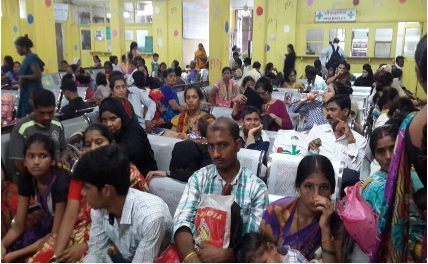
Coping & Emotional Well-being

It Is Okay to Find This Hard.

Managing T1D is one of the most demanding chronic conditions a family can face. Diabetes distress, the emotional burden of constant vigilance, fear of complications, and the relentlessness of daily management, is a clinical reality, not a weakness.

What is diabetes distress?

Diabetes distress is the worry, guilt, frustration, and burnout that comes from managing a chronic condition with no days off. Studies show it affects up to 40% of T1D families, and is a key predictor of poor glycaemic control. It is not the same as clinical depression, though both can occur together. Recognising it is the first step.

Short video testimonials

Patient & Family Voices

They Don't Need More Pamphlets. They Need a Companion.

These are the voices Sugar Sakhi was built for. Every story below is real. The fear. The exhaustion. The loneliness. And the hope.

Names and identifying details have been changed. These composite stories reflect real experiences from Wadia's T1D clinic.

Priya, mother of Rohan
Rohan, age 7 Β· Thane, Maharashtra
Rohan was diagnosed eighteen months ago. My husband works night shifts. I manage everything. The glucose checks at 2am, the insulin doses before every meal, the school tiffin that has to be exactly right. Last month he had a hypoglycaemia episode at school. His teacher didn't know what to do. I wasn't there. I have never felt so helpless. I call the hospital, then I feel guilty taking up their time when it isn't an "emergency." But every day with T1D feels like an emergency to me.
With Sugar Sakhi Priya's physician is alerted the moment Rohan's school episode is logged. She never has to decide alone whether it is "serious enough" to call.
Arjun, age 14
Mumbai Β· self-reported
I hate checking my glucose at school. Everyone stares. Last year I just stopped doing it at lunch. I didn't tell my mum. My HbA1c went up and the doctor was worried, but I didn't explain why. I just said I forgot. I didn't forget. I was embarrassed. I wish there was something that felt like a friend, not a medical device. Something I could use quietly, on my phone, that no one would notice.
With Sugar Sakhi Sugar Sakhi runs on any smartphone, privately, quietly. Arjun logs his readings, asks questions, and gets reminders in a chat that feels like a friend. His care team still sees what matters, without Arjun feeling watched.
Kavita, grandmother of Dhruv
Dhruv, age 9 Β· Rural Maharashtra (referred to Wadia)
We live two hours from Mumbai. We come to Wadia every three months. It costs us a whole day, and a day's wages. Between visits, I pray nothing goes wrong. I do not know enough English to read the papers they give us. My daughter-in-law tries, but we are not sure we are doing everything correctly. Last monsoon, Dhruv was sick for four days before we realised it might be his diabetes. By the time we reached the hospital, the doctor said it was nearly DKA. I still feel guilty. I should have known.
With Sugar Sakhi Sugar Sakhi works in Marathi. Kavita gets daily check-ins, alerts, and education in a language she understands. She never has to guess again. She never has to feel guilty for not knowing.

What families tell us

"I used to dread mealtimes. I need someone to help me count every gram of carbohydrate with me." , Mother of a 6-year-old with T1D Β· Wadia OPD, Mumbai
"My son wants an app that feels like a friend, not a doctor. For a teenager with T1D, that makes all the difference." , Father of a 15-year-old with T1D Β· Referred via CDiC network
"When she had her first low at school, I realised: the hospital is hours away. The phone is in my hand." , Mother of a 9-year-old with T1D Β· Pune
"I just need someone to tell me I'm doing it right." , Mother of a newly-diagnosed 4-year-old Β· Wadia OPD
Our Solution

A Physician in Your Pocket. A Friend Who Always Picks Up.

A physician families can reach at 2am. An AI that sees the warning signs before a parent does. A counsellor who hears the distress in how the app is used. One platform. Free for families. Funded by hospitals.

Sugar Sakhi isn't a passive glucose diary. It puts a physician in a family's pocket, 24 hours a day. The platform closes the 89-day gap between quarterly clinic visits with real-time monitoring, AI-driven alerts, personalised education, and psychosocial support. Built for children with T1D in low-resource Indian settings. No CGM sensor needed. No reliable broadband needed.

Three core pillars

Pillar 1 Β· Sakhi for Everyday

24Γ—7 Physician-Linked Monitoring

Real-time physician dashboard. Alerts triggered when DKA risk signals emerge, missed doses, glucose excursions, dietary deviations. Turns passive family logs into active, physician-guided care. No more waiting three months to find out something went wrong.

Pillar 2 Β· Sakhi for Emergency

AI-Driven DKA Risk Prediction

Predictive algorithms flag at-risk families before a crisis develops. Offline-first architecture, optimised for low-bandwidth and intermittent connectivity across Tier 2 and Tier 3 Indian cities. Designed around glucometers, not CGM sensors or insulin pumps that most Indian families cannot access.

Pillar 3 Β· Sakhi for Support

Personalised Education & Psychosocial Support

Daily behavioural nudges in 6+ regional Indian languages. Integrated psychosocial distress screening, because diabetes distress is a clinical reality for families, not a secondary concern. Content adapts to individual adherence patterns through AI, not a static video library. Caregiver module included.

What makes Sugar Sakhi different

  • Paediatric-specific, not adapted from adult T1D or T2D platforms.
  • Free for patients, B2B hospital licensing model funds the platform.
  • Offline-first and low-bandwidth, built for India, not Silicon Valley.
  • Physician-led and hospital-integrated, not a consumer wellness app.
  • Psychosocial + clinical care in one platform, unique in the LMIC space.
  • Regional Indian diet logging across 6+ languages.
  • PDPA and child-safety compliant.

Quantified impact targets Β· 12-month pilot

Target, not proven outcome.

Target
β‰₯30%
Reduction in DKA readmissions vs 2024 Wadia baseline
Primary clinical endpoint
Target
$96K–$300K
DKA hospitalisations averted (cost savings to health system)
$500–$1,500 per DKA event
Target
$1 β†’ $6–10
ROI for partner hospital by Year 3
B2B value case
Target
37.5% β†’ 25%
Reduction in poor QoL scores
Psychosocial outcome metric
Target
200
Families enrolled in 12-month pilot
Wadia Hospital
Target
Month 12
First commercial revenue milestone
Go-to-market plan

Everything you need to know, personalised, in your language, in the app

Living with T1D is different for every child and every family. The insulin regime that works for one child in Thane is different from what another child needs in Mumbai. The carbohydrate content of a Maharashtrian thali is different from a Gujarati one. One-size education does not work for T1D. Sugar Sakhi delivers personalised, adaptive content, in your language, for your child, for your kitchen, directly through the app.

πŸ”œ Coming in app

Insulin & Injections

Types of insulin, injection technique, what to do for a missed dose, travelling with insulin, storage in Indian homes with intermittent power.

Download Sugar Sakhi β†’
πŸ”œ Coming in app

Indian Diet & Carbohydrate Counting

Carb content of Indian staples, roti, rice, dal, sabzi, fruits, festival foods. Practical, visual guides for families.

Download Sugar Sakhi β†’
πŸ”œ Coming in app

Monitoring Blood Glucose

How to use a glucometer, understanding glucose patterns, when to check, target ranges for children at different ages.

Download Sugar Sakhi β†’
What Sugar Sakhi Does

A glimpse of a morning check-in.

Sugar Sakhi works like a knowledgeable friend, available 24 hours a day, who happens to be directly connected to your child's physician.

Sugar Sakhi Β· online
Good morning, Priya. Rohan's last reading was 3.2 at 2am. How is he feeling now?
He seems okay. A bit tired. Should he go to school?
His glucose has recovered to 6.8. He can go to school. I'll send a note to Dr Sudha's dashboard. Does he have a PE class today?
Yes, he has cricket after lunch.
Great. I'll remind you at 11am to check his glucose before lunch and give a small snack before cricket. πŸ’š

The three things Sugar Sakhi does

1 Β· It Watches

Sakhi for Everyday

Glucose logs, insulin doses, meal records, all fed to a real-time physician dashboard. Your child's doctor sees what's happening between appointments. No more waiting three months to find out something went wrong.

2 Β· It Warns

Sakhi for Emergency

AI-driven DKA risk prediction flags a crisis before it happens. When something looks wrong, a missed dose, a glucose trend, a sick-day pattern, Sugar Sakhi alerts the family and the physician. Offline-first, no CGM required.

3 Β· It Supports

Sakhi for Wellbeing

Daily nudges in 6+ Indian languages. Personalised education adapts to your child's patterns. Psychosocial distress screening means your counsellor knows when to reach out, before the family reaches a breaking point.

Sugar Sakhi is free for all families.

The app isn't live yet, join the waitlist and we'll let you know the moment it is.

Who We Help

Free for families. Funded by hospitals.

Sugar Sakhi serves two audiences with one platform, patients and the clinicians who care for them.

For Children & Families

Living with T1D, completely free

We believe that financial barriers should never stand between a child with T1D and the support they need.

  • Daily companion for glucose logging, dose reminders, and diet tracking.
  • Real-time connection to your physician team, no waiting for the next clinic.
  • Emergency guidance and DKA early warning alerts.
  • Education in your language, 6+ Indian regional languages.
  • Psychosocial support and distress screening for the whole family.
  • Works on affordable smartphones, with or without continuous internet.
For Hospitals & Physician Partners

A window into between-visit care

Sugar Sakhi gives clinicians something they have never had: a window into how their T1D patients are doing between appointments.

  • Real-time physician dashboard, glucose trends, adherence data, distress flags.
  • DKA risk alerts, intervene before a child reaches the emergency department.
  • Population health view across all enrolled patients.
  • Outcome data for hospital quality improvement programmes.
  • B2B licensing from $4,000/facility/year, funded independently, free for patients.
  • ROI: $1 invested returns $6–10 in averted DKA hospitalisations by Year 3.
Where Tools Fall Short

Why existing tools fall short.

Several digital diabetes management tools exist globally. None are designed for paediatric T1D in India's low-resource settings.

Feature Sugar Sakhi mySugr / Dario BeatO (India) DigiBete (UK)
Paediatric focusβœ“βœ—βœ—βœ“ (partial)
AI-assisted risk predictionβœ“βœ—βœ—βœ—
Psychosocial distress screeningβœ“βœ—βœ—Limited
Multilingual (6+ Indian languages)βœ“βœ—Partialβœ—
Low-bandwidth / offline-firstβœ“βœ—βœ—βœ—
Free for patients (B2B model)βœ“βœ—FreemiumNHS-funded
Physician real-time dashboardβœ“βœ—βœ—Partial
LMIC-ready (no CGM required)βœ“βœ—βœ— (glucometer)βœ— (CGM/pump)
Regional Indian diet loggingβœ“βœ—βœ“βœ—

mySugr / Dario

Paediatric focusβœ—
AI risk predictionβœ—
Psychosocial screeningβœ—
6+ Indian languagesβœ—
Offline-firstβœ—
Free for patientsβœ—

BeatO (India)

Paediatric focusβœ—
AI risk predictionβœ—
Psychosocial screeningβœ—
6+ Indian languagesPartial
Free for patientsFreemium
Indian diet loggingβœ“

DigiBete (UK)

Paediatric focusPartial
AI risk predictionβœ—
Psychosocial screeningLimited
Free for patientsNHS-funded
LMIC-readyβœ— (CGM)
Resources

What's available in India, and how to access it.

A curated, India-specific reference. The full directory lives inside the app.

Insulin available in India

India has reasonable insulin access, but families need to know which types are available, how to store them, and what to do when supply is interrupted. The following insulin types are commonly available through government hospitals, Jan Aushadhi stores, and private pharmacies:

TypeExamplesFormNotes
Rapid-acting (analogues)NovoRapid, Humalog, ApidraInjection / PenTaken before meals; expensive; not always on government list.
Short-acting (Regular/Soluble)Actrapid, Huminsulin RInjectionAvailable in govt hospitals; older formulation.
Intermediate-acting (NPH/Isophane)Insulatard, Huminsulin NInjectionWidely available; commonly used in low-resource settings.
Long-acting (analogues)Lantus (Glargine), Levemir, ToujeoInjection / PenGold standard for T1D; cost a barrier; biosimilars available.
Pre-mixed (not ideal for T1D)Mixtard, Huminsulin 30/70InjectionLess precise for T1D; sometimes used where analogues unavailable.

Rapid-acting

Examples
NovoRapid, Humalog, Apidra
Form
Injection / Pen
Notes
Pre-meal; expensive; not always on govt list.

Short-acting

Examples
Actrapid, Huminsulin R
Form
Injection
Notes
Available in govt hospitals; older formulation.

Intermediate-acting

Examples
Insulatard, Huminsulin N
Form
Injection
Notes
Widely available; common in low-resource settings.

Long-acting

Examples
Lantus (Glargine), Levemir, Toujeo
Form
Injection / Pen
Notes
Gold standard for T1D; biosimilars available.

Pre-mixed

Examples
Mixtard, Huminsulin 30/70
Form
Injection
Notes
Less precise for T1D; sometimes used as fallback.

Source: RSSDI, ISPAD, CDiC India. Verify current government formulary before publication.

Insulin delivery devices

  • Insulin syringes, widely available, low cost; used with vials.
  • Insulin pens (reusable), e.g. NovoPen, HumaPen; cartridges available; recommended for children.
  • Insulin pen needles, available in pharmacies; 4mm length preferred for children.
  • Insulin pumps (CSII), available privately; cost β‚Ή1–2 lakh + ongoing consumables; not covered by most insurance.
  • Flash glucose monitoring / CGM (FreeStyle Libre, Dexcom G6), available privately; not on government programmes; high cost.

Sugar Sakhi is designed for families using syringes and pens, the reality for the vast majority of Indian T1D families. CGM is not required.

Blood glucose monitoring devices

  • Basic glucometers, widely available (Accu-Chek, OneTouch, SD CodeFree, Dr Morepen); strips ongoing cost.
  • Government hospitals (including Wadia) supply glucometer strips under some programmes, check with your care team.
  • HbA1c testing, available at most government hospitals and labs; target < 7.5% for most children.
  • Urine ketone strips, low cost; essential for sick day and DKA monitoring.
  • Blood ketone meters, more accurate; higher cost; available in major cities.

The Wadia Diabetes Support Group

Other support organisations

  • CDiC, Children with Diabetes in India: national network, insulin access advocacy, peer support. cdic.in
  • IDRF, International Diabetes Research Foundation: India-focused T1D research and patient support.
  • JDRF India, Global T1D advocacy with India chapter.
  • Breakthrough T1D (formerly JDRF), Research funding and family resources.
πŸ”œ Coming in app

Complete India Resources Directory

State-by-state insulin access programmes, government hospital T1D clinics, support groups, insurance guidance, and school accommodation templates, all inside Sugar Sakhi.

Download Sugar Sakhi to access the full library β†’
The Team

Wadia Warriors.

Sugar Sakhi was founded by clinicians, paediatric endocrinologists who see the consequences of poor T1D care every day. Our team combines deep clinical expertise with digital health innovation and patient advocacy.

Dr. Minnie Bodhanwala
The Innovator

CEO, B.J. Wadia Hospital for Children, Mumbai. Institutional champion and strategic leader for Sugar Sakhi.

Prof. Dr. Sudha Rao
Prof. Dr. Sudha Rao
The Expert

Medical Director & Head of Paediatric Endocrinology, B.J. Wadia. T1D clinical lead.

Dr. Aarushi Singla
Dr. Aarushi Singla
The Strategist

Paediatric Endocrinologist. Clinical protocol design and research lead.

Dr. Rachna Keshwani
Dr. Rachna Keshwani
The Thinker

Paediatric Endocrinologist. Patient care, clinical data, and outcomes tracking.

Dr. Tanvi Kamat
Dr. Tanvi Kamat
The Orchestrator

Paediatric Endocrinologist. Coordination, operations, and implementation.

Ms. Joanna Pinto
Ms. Joanna Pinto
The Empath

Diabetes Educator & Counsellor. Family engagement, psychosocial screening, education module design.

Abhijeet Rao
Role TBD

Bio to be confirmed by the team. (Pending headshot & role detail.)

Aditya Lakshay
The Architect

Brings the technology and AI architecture behind Sugar Sakhi, from offline-first design to physician dashboards and DKA risk models. MondelΔ“z International, IIM Calcutta '17.

Recognition & partnerships

CDiC Hackathon Round 1 Winner Β· 2026
Harvard HSIL Venture Building Bootcamp II
B.J. Wadia Hospital for Children, Mumbai
CDiC Network Β· partner hospitals across India & South Asia
For every child and family learning to live with T1D, Sugar Sakhi is an intelligent and constant companion. , Wadia Warriors Team
Get Involved

Three doors. One companion.

Families, hospitals, researchers, Sugar Sakhi welcomes all three. Tell us who you are and we'll route you to the right team.

For Families

If you are a family caring for a child with Type 1 Diabetes in India, we want to hear from you. Sugar Sakhi will be free for patients. Join our waitlist to be among the first families enrolled in our Wadia pilot.

Join the waitlist

For Hospitals & Clinicians

We are actively seeking hospital partners to join our pilot network. The onboarding is simple, we come to you, train your team, and provide full clinical dashboard access. First pilot revenue is expected at Month 12.

Partner with Sugar Sakhi

For Researchers & Funders

Sugar Sakhi is generating one of India's first longitudinal, anonymised paediatric T1D datasets. We are open to research collaborations, grant partnerships, and data licensing discussions with NIH, Wellcome Trust, Gates Foundation, and aligned institutions.

Explore research collaboration

Prefer email? Write to hello [at] sugarsakhi [dot] com.